

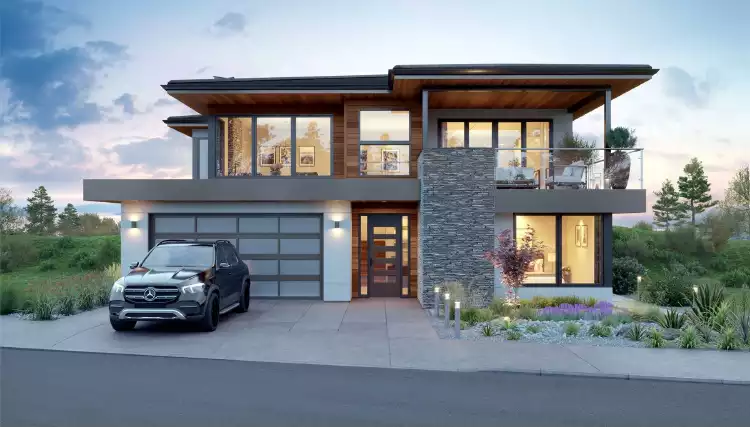
Safety barriers are often one of the least discussed elements in residential design, yet they play a critical role in how a home functions and feels. While walls, floors, and ceilings tend to dominate planning conversations, the features that protect edges, changes in height, and open areas quietly influence comfort, confidence, and long-term usability. In modern homes, these elements are no longer viewed as purely functional. They have become an integral part of architectural expression and everyday living.
As residential layouts have shifted toward openness and multi-level planning, the way boundaries are defined has changed. Rather than enclosing space, modern design increasingly relies on subtle structural cues to guide movement while maintaining visual flow. Safety features now need to work harder, not by standing out, but by blending seamlessly into the surrounding environment.
Safety as a foundation of thoughtful design
At its core, residential design is about creating spaces that feel safe without feeling restrictive. Safety barriers act as a quiet reassurance, allowing people to move comfortably through a home without consciously thinking about risk. Their presence is often most noticeable only when they are poorly designed or absent altogether.
In older homes, these features were frequently heavy and visually dominant. Their purpose was clear, but they rarely contributed positively to the overall aesthetic. Contemporary design has moved away from this approach, favouring restraint and integration. Safety elements are now expected to complement surrounding materials and forms rather than compete with them.
This shift reflects a broader understanding that good design does not draw attention to itself. Instead, it supports daily living in subtle and dependable ways.
Responding to open-plan living
Open-plan living has reshaped how people experience interior spaces. With fewer walls and more shared zones, transitions between areas are more visible and more frequently used. Safety barriers now play an important role in defining these transitions without interrupting openness or light.
In homes with multiple levels, these features help create continuity between spaces. Rather than blocking sightlines, well-considered designs preserve visual connection while still providing necessary protection. This balance contributes to a home that feels both expansive and secure.
Over time, homeowners often notice that guests move more confidently through spaces where boundaries feel intuitive. When movement flows naturally, the home feels easier to navigate and more welcoming overall.
Beyond minimum compliance
Building regulations establish baseline requirements for safety, but thoughtful residential design often goes beyond minimum compliance. Meeting standards ensures protection, yet it does not automatically create a space that feels comfortable or cohesive.
Homeowners and designers increasingly consider how safety features contribute to the atmosphere of a home. Proportions, finishes, and detailing all influence how these elements are perceived and used in daily life. When designed with care, safety barriers enhance the experience of a space rather than disrupting it.
This approach recognises that people interact with these features constantly. Their design affects not only physical safety but also how a home feels over time.
Durability and everyday interaction
Safety barriers are among the most frequently touched elements in a home. Hands rest on them, children lean against them, and they often serve as informal points of pause or support. Because of this, durability is just as important as appearance.
Materials that wear poorly or loosen over time can become a source of frustration and concern. These issues often surface years after construction, prompting homeowners to reassess earlier decisions. In many cases, the need for upgrades arises not from aesthetics, but from how these elements perform in everyday use.
Long-term reliability is closely tied to how thoughtfully these features are integrated from the outset.
Personalisation within the home
As homeowners personalise their spaces, small details around edges and openings tend to get more attention, and choices like custom balustraids often come up alongside finishes, joinery, and lighting.
This kind of consideration is rarely about making a statement. Instead, it reflects a desire for cohesion, where practical elements align naturally with the rest of the home. When safety features are treated with the same care as other architectural details, they feel intentional rather than added on.
This shift highlights a growing appreciation for craftsmanship and balance in residential design.
Adapting to changing needs
Homes are lived in over long periods, and the way people use space changes with time. Features that feel sufficient at one stage of life may need adjustment later on. Children, ageing family members, and visitors with different mobility needs all interact differently with the built environment.
Designing safety barriers with adaptability in mind helps homes remain functional as circumstances evolve. Elements that provide subtle support without feeling restrictive tend to serve households better over the long term.
Thinking ahead during design or renovation can reduce the need for disruptive changes later.
Light, openness, and spatial perception
Light plays an important role in how safety features are perceived. Poorly positioned elements can interrupt natural light and make spaces feel enclosed, even when the layout is otherwise open.
Well-integrated designs allow light to move freely, preserving openness while still providing protection. This balance contributes to a sense of ease and confidence within the home, influencing how comfortable people feel in everyday use.
Over time, these qualities shape how welcoming and functional a space becomes.
Quiet contributors to everyday living
When safety barriers are designed well, they fade into the background of daily life. Their success lies in how naturally they support movement and comfort without drawing attention to themselves.
As residential design continues to prioritise longevity and liveability, these elements remain essential. By approaching them with the same care as more visible features, homeowners can create environments that feel safe, cohesive, and well considered for years to come.
