

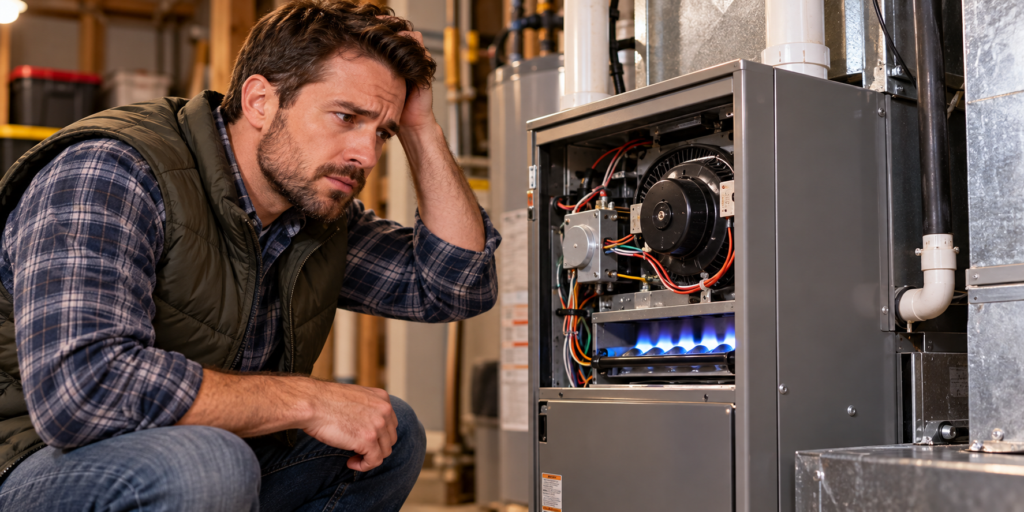
A furnace can continue heating a home while small maintenance mistakes gradually affect its performance. A neglected filter, blocked air return or overlooked warning sign may place extra strain on the equipment and make it harder to maintain comfortable temperatures. These problems are not always obvious at first, which is why regular care matters even when the heating system appears to be working normally.
For homeowners arranging furnace maintenance in Wylie, TX, understanding common care mistakes can help prevent avoidable problems during colder weather. Dust, restricted airflow and delayed repairs can affect how a furnace operates, while incorrect maintenance may create additional risks. Knowing which tasks are suitable for homeowners and when professional attention is needed helps support reliable heating throughout the season.
Neglecting the Air Filter
One of the most common furnace maintenance mistakes is allowing the air filter to become excessively dirty. Filters collect airborne particles, but as debris accumulates, airflow can become restricted. This may affect heating performance and place additional strain on parts of the system. The correct filter size and type are important because a filter that is unsuitable for the equipment can also interfere with airflow.
Check the filter according to the manufacturer’s instructions and inspect it more often during periods of heavy use or when pets and dust contribute to faster build-up. Replace disposable filters or clean reusable ones as directed. Do not assume that a more restrictive filter is automatically better. If filters become dirty unusually quickly, investigate possible sources of dust or ask a technician to assess the system.
Blocking Vents and Return-Air Grilles
Furniture, curtains and stored belongings can obstruct supply vents and return-air grilles without homeowners noticing. When air cannot circulate freely, some rooms may become uncomfortable while the furnace continues running. Keeping vents clear is a simple way to support normal airflow and reduce the likelihood of mistaking a distribution problem for an equipment fault.
Walk through the home periodically and check that vents are unobstructed and open as intended. Avoid closing multiple vents in an attempt to direct more heat into other rooms unless the system’s manufacturer or a qualified professional recommends it. If uneven heating persists despite clear vents, the cause may involve ductwork, insulation, controls or the furnace itself.
Ignoring Unusual Sounds and Changes in Performance
A furnace may produce unfamiliar sounds before a fault becomes serious. Persistent rattling, grinding, banging or repeated clicking can indicate loose components, mechanical wear or ignition-related problems, depending on the equipment. These noises do not all have the same cause, so attempting to diagnose them without the necessary knowledge can lead to incorrect repairs or overlooked safety concerns.
Pay attention to changes in heating performance as well. Frequent cycling, difficulty reaching the thermostat setting or a sudden increase in energy use may justify an inspection. During furnace maintenance in Wylie, TX, a qualified technician can investigate these symptoms, check relevant controls and identify whether repair is necessary. Do not wait for a complete breakdown if the system’s behaviour changes noticeably.
Skipping Professional Inspections
Homeowners can manage simple tasks such as checking filters and keeping vents clear, but these steps cannot replace a professional inspection. Depending on the furnace type, maintenance may involve checking electrical connections, motors, ignition components, safety controls and combustion or exhaust arrangements. These checks require suitable training and should follow the manufacturer’s service recommendations.
Skipping inspections can allow developing faults to remain unnoticed until the equipment stops working or requires more extensive repairs. Arrange servicing at the recommended intervals and explain any recurring problems to the technician. Keep records of previous inspections, repairs and replaced components. This information can help identify repeated faults and provide a clearer picture of the furnace’s overall condition.
Overlooking Thermostat Settings and Household Conditions
Incorrect thermostat settings can create the impression that a furnace is underperforming. A schedule that does not reflect household routines may cause unnecessary heating, while a thermostat exposed to direct sunlight or draughts may not measure the surrounding temperature accurately. Check the settings before assuming that the equipment itself is faulty, and consult the manufacturer’s instructions when adjusting controls.
The condition of the home also influences heating demand. Gaps around doors and windows, poor insulation and damaged ductwork can allow heat to escape, making rooms harder to keep comfortable. Sealing suitable gaps and addressing insulation problems may support more consistent temperatures. If the furnace runs for long periods despite sensible settings, ask a professional to assess both the heating system and potential sources of heat loss.
Delaying Repairs and Safety Checks
Putting off a repair because the furnace still produces heat can allow a minor fault to worsen. A loose component, recurring shutdown or persistent drainage issue should be assessed rather than repeatedly reset or ignored. If a repair is recommended, ask what has failed, why it needs attention and whether other components show signs of wear before approving the work.
Safety concerns require immediate action. If a carbon monoxide alarm sounds, leave the property and contact emergency services from a safe location. If you suspect a gas leak, leave the area, avoid operating electrical switches or creating flames, and contact the appropriate emergency service or gas provider. Never attempt to repair gas connections or internal furnace components without the required qualifications.
To Sum Up
Heating efficiency and reliability depend on more than whether a furnace switches on. Clean filters, unobstructed vents, appropriate thermostat settings and attention to unusual behaviour all contribute to better system care. Regular professional inspections can identify problems that routine household checks cannot safely address.
Follow the manufacturer’s maintenance guidance, deal with developing faults promptly and seek qualified help when performance changes or safety concerns arise. Avoiding these hidden maintenance mistakes can help homeowners maintain dependable heating, manage avoidable wear and prepare the furnace for periods of heavier use.
