

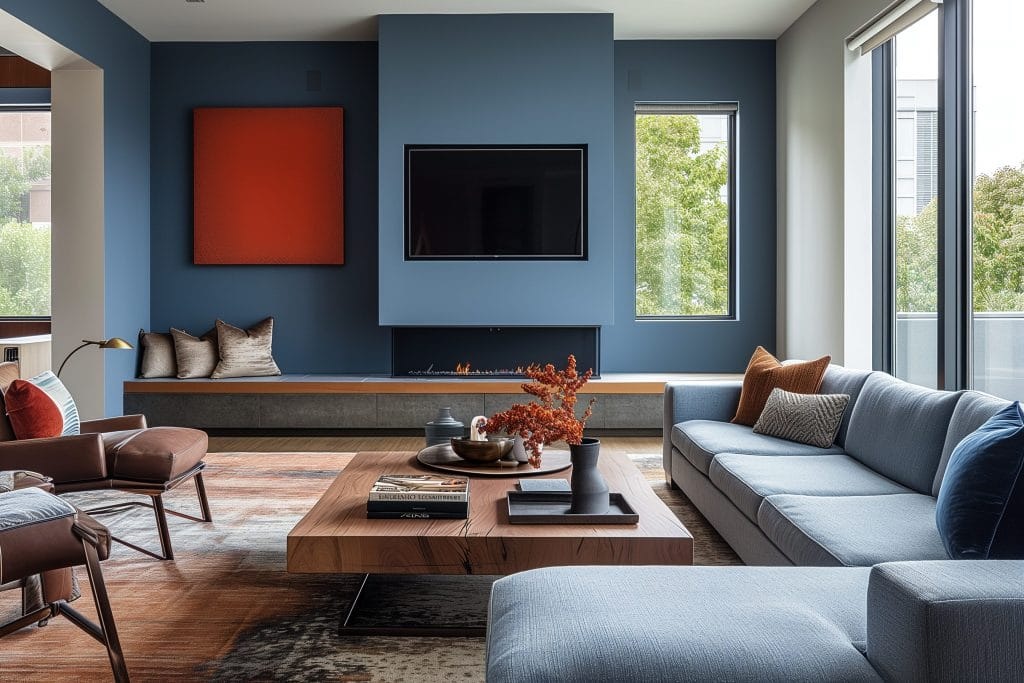
For the better part of a decade, the default setting for residential interiors was a stark, clinical white. Homeowners and designers alike chased the illusion of endless light and space, rolling coats of pale gray and pure white onto every available surface. But the design pendulum is firmly swinging in the opposite direction. Today, there is a profound resurgence in the use of dark, heavily saturated paint. Charcoal grays, inky navies, deep emerald greens, and even pure blacks are finding their way out of niche accent walls and into the primary living spaces of modern homes.
Choosing to paint a room a dark color is an act of design bravery. It fundamentally alters the mood, the perception of space, and the way furniture and art interact within the room. However, executing a dark aesthetic requires significantly more strategy than simply picking a deep shade from a paint deck. Understanding when a room can handle a dark palette and knowing exactly how to apply it separates a sophisticated, professionally designed space from one that feels heavy, oppressive, and accidental.
The Visual Psychology of Dark Colors
The most persistent myth in interior design is that dark paint invariably makes a room feel small and claustrophobic. In reality, dark colors possess an incredible ability to trick the human eye.
Light colors reflect light, which firmly highlights the physical boundaries of a room. When you paint a room white, you can clearly see exactly where the walls meet the ceiling and the corners intersect. Dark colors, however, absorb light. This absorption causes the physical edges of a room to blur and recede into the shadows. When the corners of a room are no longer sharply defined, the space can actually feel boundless, mimicking the infinite depth of a night sky. Instead of shrinking the room, a dark backdrop envelops the occupant, creating a space that feels grounded, intimate, and profoundly cozy.
When to Commit to a Dark Palette
Not every room is a prime candidate for a dark makeover. While personal preference always dictates design, certain architectural scenarios and functional spaces naturally lend themselves to deep, saturated hues.
Windowless or Low-Light Rooms
The most common mistake homeowners make is attempting to brighten a naturally dark, north-facing, or windowless room by painting it white. Without natural sunlight to bounce around the room, white paint simply looks flat, shadowy, and dingy. The most effective design solution is to stop fighting the architecture and lean heavily into the darkness. Spaces like interior powder rooms, basement media centers, or narrow hallways are perfect canvases for dark paint. By wrapping a naturally dim room in a rich plum or deep navy, you intentionally transform a structural weakness into a moody, theatrical design feature.
Transitional and Pass-Through Spaces
If you are hesitant to commit to dark paint in a primary living area, transitional spaces offer the perfect testing ground. Foyers, mudrooms, and corridors are areas where occupants spend very little time. Because you are only moving through these spaces, they can handle a high level of visual drama without becoming visually exhausting. A dark, dramatic foyer creates an incredible sense of compression. When you walk from a dark, enclosed entryway into a moderately lit living room, the living room instantly feels significantly brighter and more expansive by sheer contrast.
Rooms Dedicated to Relaxation and Evening Use
Function should always dictate color. Rooms heavily utilized in the evening or dedicated to relaxation benefit immensely from a dark color palette. Formal dining rooms, libraries, and bedrooms are spaces where you want to foster a sense of intimacy and calm. A deep chocolate brown or hunter green dining room, lit purely by candlelight and a low chandelier, creates a sophisticated, restaurant-like atmosphere that a white room simply cannot replicate.
How to Execute Dark Paint Flawlessly
Choosing the right color is only the first step. The application and surrounding styling are what dictate the success of a dark interior. Dark paint is notoriously unforgiving, requiring careful attention to detail during the planning and execution phases.
The Power of Color Drenching
The most contemporary and impactful way to use dark paint is a technique known as color drenching. This involves painting the walls, baseboards, window casings, interior doors, and crown molding the exact same dark color.
Historically, homeowners have defaulted to painting trim high-gloss white out of habit. However, placing a stark white border around a dark wall immediately chops the room up visually, drawing the eye directly to the contrasting lines rather than the overall aesthetic of the space. Color drenching removes these harsh visual interruptions. It creates a seamless, monolithic backdrop that makes ceilings appear higher and allows the architectural details of the woodwork to stand out through physical shadow and texture rather than jarring color contrast.
Selecting the Right Finish
The sheen of the paint drastically alters how a dark color performs in a room. A matte or flat finish absorbs the maximum amount of light. This creates a velvety, incredibly rich appearance that effectively hides imperfections in the drywall. However, matte finishes are prone to scuffing and can be difficult to clean, making them less ideal for high-traffic areas.
Conversely, a high-gloss dark paint creates a glamorous, lacquer-like finish that bounces light around the room, making the space feel vibrant and dynamic. However, high-gloss paint acts like a mirror; it will ruthlessly highlight every single bump, divot, and patched hole on the wall. Achieving a flawless high-gloss dark wall often requires skim-coating the entire surface to absolute perfection before a single drop of paint is applied. For most residential applications, an eggshell or satin finish provides the perfect compromise, offering durability and a subtle luster without highlighting every architectural flaw.
Strategic Contrast and Textural Layering
A room painted entirely in a dark shade risks looking flat and lifeless if it is not styled correctly. The secret to bringing a dark room to life is introducing intense textural contrast and strategically layered materials.
Dark walls serve as an extraordinary gallery backdrop, making artwork and mirrors pop with incredible intensity. To prevent the room from feeling heavy, you must introduce warmth. Rich, natural wood tones, such as walnut or mahogany, immediately warm up cool dark grays and blues. Metallics are also essential. Unlacquered brass, polished nickel, or warm copper hardware, lighting fixtures, and picture frames act as jewelry for the room, catching the light and breaking up the heavy expanse of the walls. Furthermore, layering tactile fabrics like rust-colored velvet, soft bouclé, and worn leather prevents the deep backdrop from feeling cold or uninviting.
Mastering the Lighting in a Dark Space
You cannot paint a room dark and rely on a single overhead light fixture. Lighting a dark space requires a highly strategic, multi-layered approach to prevent the room from feeling like a cave.
Because the walls will absorb light rather than reflect it, you must physically push light back into the space at various heights. Ambient lighting should be handled by dimmable overhead fixtures, but the heavy lifting is done by directional and task lighting. Wall sconces cast warm pools of light directly onto the dark walls, highlighting the paint’s undertones. Table lamps and floor lamps create cozy, illuminated zones for reading or conversing.
Crucially, pay attention to the color temperature of your lightbulbs. Cool, blue-toned LED bulbs (anything above 3500K) will make dark paint look harsh, commercial, and eerie. Opt for warm bulbs in the 2700K range to draw out the rich, welcoming undertones of your chosen dark hue, ensuring the space feels warm and residential.
When executed with intention and confidence, dark paint is a transformative design tool. It requires pushing past the fear of shrinking a space and embracing the dramatic, enveloping nature of deep colors. By carefully selecting the right room, committing to a seamless color-drenched application, and layering the space with warm textures and strategic lighting, you can create a highly sophisticated interior that completely redefines the atmosphere of your home.
