

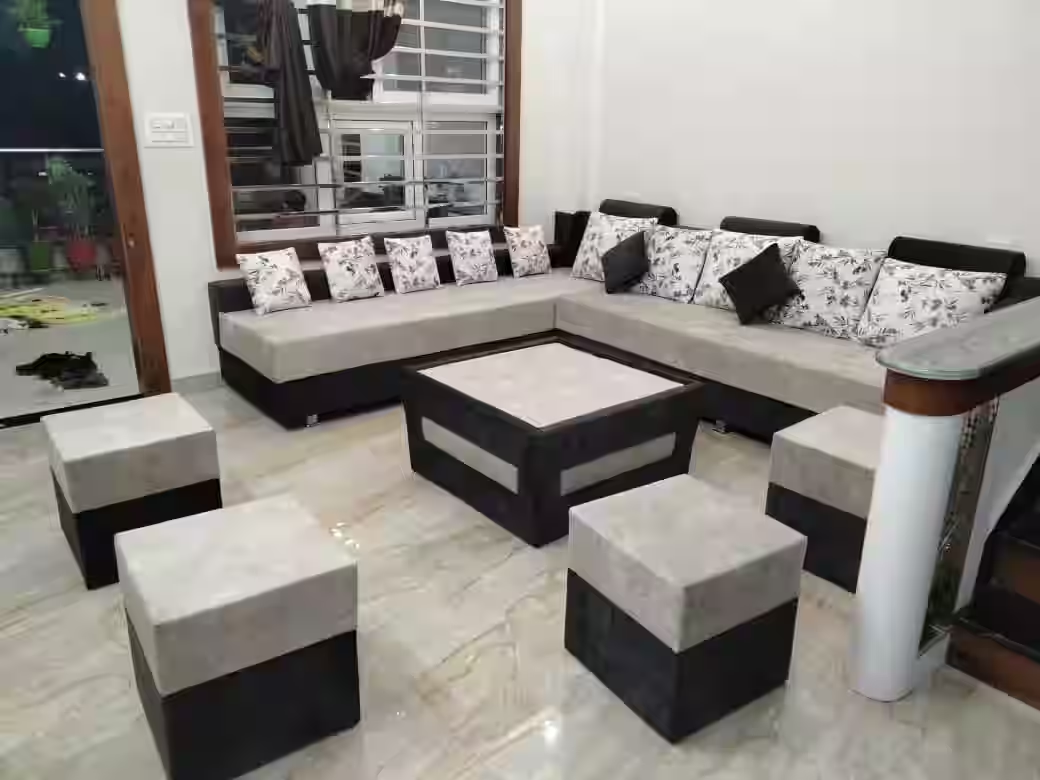
In today’s advanced design landscape, furniture is no longer static or purely aesthetic—it’s intelligent, responsive, and deeply integrated with human behavior. Smart furniture has redefined what it means to live and work comfortably, merging innovation with sustainability to create pieces that are as functional as they are sophisticated. This transformation represents a pivotal shift from traditional craftsmanship to data-driven design that adapts to lifestyle needs in real-time.
The Rise of Intelligent Furniture Ecosystems
Smart furniture is not limited to tech gadgets embedded in chairs or tables; it’s a broader movement toward interactive design ecosystems. These pieces communicate with other smart home systems, respond to environmental cues, and can even enhance physical well-being. As technology continues to evolve, designers are crafting furniture that supports a digital lifestyle while maintaining timeless elegance.
IoT Integration and Behavioral Adaptation
The integration of the Internet of Things (IoT) allows furniture to learn from user habits. For example, a height-adjustable desk now uses sensors and AI algorithms to track posture patterns, automatically adjusting throughout the day to reduce strain. Smart recliners can detect muscle tension, adjusting support zones in real time. These adaptive features turn furniture into active participants in human comfort rather than passive objects.
Multifunctionality in Urban Living
In urban settings where space is a luxury, multifunctional smart furniture is revolutionizing how we utilize interiors. A sofa might transform into a work desk, or a coffee table could include wireless charging ports and built-in speakers. Designers are merging practicality with sophistication, ensuring that every inch of a home serves a dynamic purpose without sacrificing aesthetics.
Sustainability Meets Technology
One of the most intriguing aspects of modern furniture innovation is how sustainability and technology now coexist harmoniously. Smart furniture isn’t just about convenience—it’s about minimizing waste, conserving energy, and creating designs that last for decades.
Smart Materials and Eco-Efficiency
Manufacturers are increasingly turning to eco-intelligent materials—woods sourced from regenerative forests, biodegradable polymers, and recycled composites enhanced with nanotechnology for durability. These smart materials can even self-repair micro-scratches or adjust permeability based on humidity levels. This ensures longevity while reducing the environmental footprint of production.
Energy Efficiency and Automation
Energy consumption in homes is being optimized by energy-aware furniture systems. For instance, desks and shelves now incorporate low-energy LED systems that adjust brightness according to ambient light. Some even feature solar-charging surfaces to power small devices sustainably. By linking with home automation systems, smart furniture contributes to energy savings and sustainable living goals without user intervention.
The Luxury Redefined: From Craftsmanship to Conscious Design
Luxury in furniture is no longer defined solely by opulence or rare materials—it’s measured by intelligence, adaptability, and personalization. Modern luxury furniture blends human craftsmanship with digital precision, resulting in a seamless fusion of art and technology.
Personalized Comfort through AI Design
AI-driven customization is allowing users to tailor furniture to their exact needs. From adjustable lumbar support settings in chairs to climate-responsive textiles that regulate temperature, the fusion of AI and ergonomic design ensures that every piece delivers individualized comfort. High-end manufacturers now use predictive modeling to create personalized sitting or sleeping profiles, merging digital data with artisanal finishes.
Minimalist Tech Integration
Luxury doesn’t have to look futuristic or flashy. The best smart furniture hides its complexity within minimalist aesthetics. Think of a handcrafted oak table that integrates invisible wireless charging coils or a smart wardrobe that monitors clothing usage without visible tech intrusion. The key lies in subtle sophistication, where technology enhances rather than dominates the design.
The Psychology of Smart Interiors
The influence of smart furniture extends beyond physical comfort—it reshapes the psychological experience of space. Well-designed intelligent furniture creates environments that improve focus, relaxation, and well-being. As living spaces increasingly double as workspaces, mental ergonomics has become just as vital as physical support.
Enhancing Productivity and Focus
Smart office setups incorporate AI-driven lighting and posture analysis, helping users maintain optimal focus levels throughout the day. A desk equipped with sensors might prompt gentle reminders to stretch, while temperature-regulating chairs can keep users alert during long hours. These small but impactful adjustments can significantly elevate work performance and reduce fatigue.
Promoting Mindful Living
Beyond work, smart furniture also promotes mindful living. Adjustable ambient lighting, built-in aroma diffusers, and sound-absorbing materials contribute to calm, restorative environments. By synchronizing with circadian rhythms, these intelligent systems create interiors that promote mental balance and rejuvenation.
Challenges and Future Directions
While the smart furniture industry continues to expand, it faces challenges such as data privacy, interoperability, and cost accessibility. Consumers want connected living experiences but are increasingly concerned about how their personal data is used. Manufacturers must design systems that are both secure and transparent.
Overcoming Design Complexity
Integrating technology without compromising visual appeal remains a challenge. Designers are experimenting with modular smart components that can be upgraded over time. This modular approach ensures longevity and adaptability, allowing users to update their furniture’s technology without discarding the entire piece.
The Future of Smart Living Spaces
Looking ahead, the next generation of furniture will likely integrate machine learning, augmented reality, and biophilic design principles. Imagine furniture that can project virtual design overlays, detect air quality changes, or adapt form factors based on user activity. The future home will be an interconnected ecosystem—where every piece of furniture intuitively responds to its environment and inhabitants.
The Business Implications for Designers and Retailers
Smart furniture is no longer a niche category—it’s becoming a defining element of competitive interior design. Retailers and designers who embrace this shift early can establish themselves as leaders in innovation and sustainability.
Data-Driven Design Strategies
Furniture manufacturers are beginning to use big data insights to predict consumer preferences, enabling targeted production that reduces waste. Customization options driven by user data can create stronger brand loyalty and higher satisfaction rates.
The Experiential Retail Shift
In retail environments, augmented reality (AR) and virtual showrooms are reshaping how consumers engage with smart furniture. Customers can visualize products in their homes before purchasing, enhancing confidence and reducing returns. The result is a more interactive, immersive, and eco-conscious retail experience.
FAQs
1. How does smart furniture differ from regular furniture?
Smart furniture integrates technology and automation, allowing it to respond to user behavior, adjust settings automatically, and often connect to smart home ecosystems.
2. Is smart furniture energy-efficient?
Yes, many smart furniture systems are designed with energy-saving features like auto power-off sensors, adaptive lighting, and solar charging components.
3. What materials are used in sustainable smart furniture?
Designers use regenerative woods, recycled composites, biodegradable polymers, and nano-engineered coatings that increase durability while reducing environmental impact.
4. Can smart furniture be customized for different users?
Absolutely. AI-driven designs allow personalization in ergonomics, comfort levels, and aesthetics based on user data and preferences.
5. Are there security risks with connected furniture?
Like any connected device, smart furniture can pose data privacy concerns. Opting for encrypted systems and trusted brands minimizes these risks.
6. How is smart furniture influencing office design?
It enhances ergonomics, reduces fatigue, and integrates wellness-focused technology, making modern workspaces more efficient and comfortable.
7. Will traditional craftsmanship disappear with smart furniture?
Not at all. The best smart furniture combines digital intelligence with artisanal craftsmanship, preserving tradition while enhancing functionality.
