

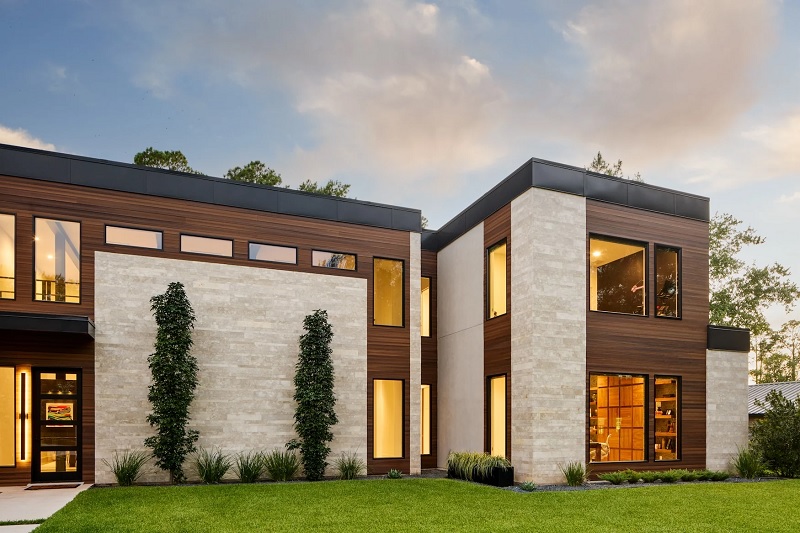
Stone has anchored architectural design for centuries. Its presence on an exterior facade communicates permanence, luxury, and grounded strength, seamlessly tying a structure to its natural surroundings. However, when modern property owners, architects, and builders decide to elevate a building’s exterior with masonry, they are immediately confronted with a critical choice: utilizing quarry-cut natural stone or opting for manufactured stone veneer.
Both materials are capable of producing striking, high-end facades, but they achieve this result through entirely different means. The decision between the two extends far beyond a simple visual preference. It fundamentally alters the structural requirements, installation logistics, long-term maintenance, and overall budget of a construction project. Making an informed choice requires a deep understanding of how these materials are created, how they perform under environmental stress, and what they demand from the professionals installing them.
Understanding the Origins of the Materials
To properly evaluate these two facade options, it is essential to understand exactly what they are and how they are sourced or fabricated. The fundamental makeup of the material dictates every other aspect of its performance.
The Geological Authenticity of Natural Stone
Natural stone is exactly what it sounds like: it is pulled directly from the earth. Depending on the desired aesthetic, this could be limestone, granite, slate, or travertine. Once extracted from a quarry, the raw material is cut, shaped, and sometimes tumbled to create specific architectural profiles like rugged fieldstone, sleek ashlar, or stacked ledgestone. Because it is a product of geological time, every single piece of natural stone is entirely unique. It carries irreplicable veining, mineral deposits, and subtle color variations that cannot be perfectly duplicated by human hands.
The Precision of Manufactured Stone Veneer
Manufactured stone veneer, frequently referred to as architectural stone or faux stone, is a highly engineered product. It is cast from flexible molds taken from carefully selected pieces of authentic natural stone. The mixture poured into these molds consists of Portland cement, lightweight natural aggregates, and iron oxide pigments. When cured, the resulting product replicates the texture and shape of real stone but weighs a fraction of the original. High-tier manufacturers hand-paint the molds before pouring the cement, ensuring a deep, varied coloration that mimics the natural world with staggering accuracy.
Aesthetic Nuances and Visual Authenticity
The primary goal of any exterior masonry upgrade is to enhance curb appeal. In decades past, manufactured veneer was easily identifiable by its repetitive shapes and somewhat flat, artificial coloring. Today, the manufacturing process has advanced to a point where premium veneers are nearly indistinguishable from natural stone to the untrained eye.
However, differences remain for those who know what to look for. Natural stone offers an uncompromising depth of color that runs through the entire thickness of the rock. As it weathers and ages, it develops a natural patina that often enhances its beauty. Manufactured veneer relies heavily on surface coloring. While modern iron oxide pigments are incredibly resilient, a chipped piece of veneer will reveal the plain gray cement beneath the surface. Furthermore, on massive, expansive facades, a keen eye might occasionally spot a repeating stone shape in a veneer installation, as manufacturers only have a finite number of molds in their production line.
Structural Demands and Weight Disparities
The physical weight difference between these two materials is the single most defining factor in how they are utilized in modern construction.
Natural stone is incredibly heavy. Installing a traditional full-bed natural stone facade requires substantial structural support. The foundation of the building must be engineered to carry the massive dead weight of the masonry, often necessitating reinforced concrete footings or heavy-duty steel lintels. Additionally, the stone must be anchored to the structural wall using heavy-duty masonry ties.
Manufactured stone veneer was specifically invented to bypass these exact structural hurdles. Because the lightweight aggregates reduce the density of the product, veneer can typically be applied directly to a structurally sound wall without the need for supplementary foundation support. It adheres to the wall via a scratch coat of mortar applied over metal lath. This weight advantage allows designers to place stone accents in areas where natural stone would be structurally impossible or prohibitively expensive, such as high gables, cantilevered bump-outs, or towering chimney chases.
The Critical Role of Moisture Management
Exterior applications face relentless exposure to rain, snow, and humidity. How a facade manages that moisture dictates the lifespan of the underlying structure.
Natural stone is inherently highly resistant to water absorption. While the mortar joints between the stones can absorb moisture, the stone itself provides a robust barrier against the elements. However, manufactured stone veneer is porous by nature because of its cementitious makeup. If moisture management is ignored, water can penetrate the veneer, become trapped against the wood framing of the home, and cause catastrophic rot.
To prevent this, veneer installations demand a meticulous, heavily regulated moisture management system. This involves applying highly rated weather-resistant barriers, installing drainage mats to create a vital air gap, and utilizing weep screeds at the base of the wall. These systems allow any trapped water to safely exit the wall cavity. When a stone veneer facade fails, it is almost never the fault of the stone itself; it is the result of improper moisture barrier installation.
Installation Complexity and Labor Logistics
The weight and structural requirements of a material directly impact the labor force required to install it. Working with natural stone is a highly specialized, traditional craft. Masons must carefully chip, cut, and fit heavy, irregular pieces together like a complex, three-dimensional puzzle. The process is slow, physically demanding, and requires a high level of artistry to ensure the mortar joints are even and the weight is distributed properly. Consequently, labor costs for natural stone installations are exceptionally high.
Stone veneer is remarkably user-friendly in comparison. Because it is relatively lightweight, it is easier to handle on scaffolding. It can be cut quickly with a standard masonry blade on a circular saw or an angle grinder. While it still requires a skilled hand to blend the colors naturally and strike the mortar joints cleanly, the overall installation process is significantly faster. This speed dramatically drives down the labor costs associated with the project, keeping the construction timeline agile.
Long-Term Durability and Maintenance Requirements
When evaluating longevity, natural stone is the undisputed champion. It is virtually impervious to the elements, does not fade under intense ultraviolet light, and can easily outlast the building it adorns. Maintenance is minimal; it can be gently washed to remove surface dirt, but it rarely requires anything more than passive neglect to maintain its structural integrity.
Manufactured veneer is highly durable, typically carrying manufacturer warranties of fifty years or more, but it is not invincible. Because the coloring on most veneers is concentrated at the surface, harsh maintenance practices can cause irreversible damage. You should never use a high-pressure power washer or aggressive chemical cleaners on a manufactured stone facade. Doing so will strip the iron oxide pigments, leaving the facade looking washed out and artificially aged. Cleaning veneer requires nothing more than a soft bristle brush and a mild detergent. Additionally, over several decades of intense, direct sun exposure, slight fading of the veneer is natural and to be expected.
Financial Implications and Return on Investment
Upfront material and labor costs are always a deciding factor in architectural design. Natural stone carries a premium price tag. Between the cost of quarrying, transporting heavy freight, engineering structural footings, and hiring specialized masons, a natural stone facade can easily cost twice as much as a veneer alternative.
Yet, both materials offer a tremendous return on investment by drastically elevating a property’s curb appeal. Upgrading a facade with manufactured stone veneer consistently ranks among the highest ROI home improvement projects nationally, frequently recovering over ninety percent of its cost at the time of resale. It provides the luxurious look of stone at an accessible price point. Natural stone, while demanding a higher initial capital investment, firmly positions a property in the ultra-luxury market. Its authenticity and permanence command top-tier valuations and appeal to buyers looking for uncompromised architectural integrity.
Making the Right Choice for Your Facade
Ultimately, achieving a high-end exterior facade does not strictly demand one material over the other; it requires aligning the material with the realities of the project. If the project budget allows for extensive structural engineering, the timeline is flexible, and absolute geological authenticity is paramount, natural stone remains the gold standard of architectural materials. However, if the goal is to achieve a stunning, luxurious aesthetic while navigating strict budget constraints, existing foundation limitations, or aggressive construction schedules, manufactured stone veneer provides an exceptionally beautiful and highly engineered solution.
