

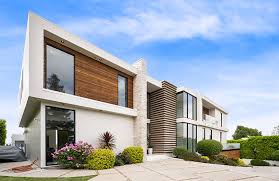
In the ever-evolving world of architecture, exterior design has moved far beyond simple aesthetics. Today, innovative approaches are reshaping how buildings interact with their environment, enhance sustainability, and create a visually compelling presence. Designers are no longer content with conventional facades or landscaping; they are exploring cutting-edge materials, interactive technologies, and multifunctional exteriors that redefine modern living and commercial spaces.
Smart Materials: The Future of Dynamic Facades
1. Self-Healing Concrete
Self-healing concrete is a revolutionary material that can repair cracks autonomously, extending the lifespan of building exteriors while reducing maintenance costs. Using bacteria embedded in the concrete, the material reacts with water and oxygen to produce limestone that seals cracks.
Benefits:
-
Increases structural durability
-
Reduces long-term repair expenses
-
Enhances sustainability by minimizing resource consumption
This technology is particularly advantageous for urban buildings exposed to extreme weather conditions, where traditional concrete would quickly deteriorate.
2. Thermochromic and Photochromic Coatings
Thermochromic and photochromic coatings can change color based on temperature or sunlight exposure. These materials not only provide striking visual effects but also contribute to energy efficiency by reflecting or absorbing heat as needed.
Applications:
-
Commercial high-rises that need adaptive energy solutions
-
Residential homes aiming for dynamic curb appeal
-
Public installations where aesthetic appeal interacts with environmental conditions
Adaptive Landscaping and Environmental Integration
1. Vertical Gardens
Vertical gardens or green walls are no longer a novelty—they are a critical aspect of sustainable exterior design. By integrating plant life directly into building facades, architects can significantly improve air quality, regulate building temperature, and provide a serene visual experience.
Key Points:
-
Reduces urban heat islands
-
Enhances acoustic insulation
-
Offers seasonal variation in aesthetics
2. Rainwater Harvesting Features
Innovative exterior designs increasingly incorporate functional landscaping elements, such as rainwater channels integrated into pathways or sculptural water features. These systems not only manage stormwater effectively but also create visually appealing interactive designs.
Advantages:
-
Promotes water conservation
-
Reduces risk of flooding
-
Adds an eco-conscious appeal to exterior spaces
Technological Integration in Exterior Design
1. Smart Lighting Systems
Exterior lighting is evolving from static fixtures to responsive, energy-efficient systems. Smart lighting adapts based on movement, daylight levels, or seasonal needs. This not only enhances security but also dramatically elevates architectural aesthetics.
Features:
-
Motion-sensor activation for pathways and driveways
-
Automated color adjustments for special occasions or ambient effects
-
Integration with IoT devices for centralized control
2. Interactive Digital Facades
Digital facades are transforming buildings into living canvases. Using LED panels or projection mapping, entire structures can display dynamic visuals, advertisements, or artwork. Beyond aesthetics, these systems can communicate environmental data or building status.
Impact:
-
Creates engaging urban experiences
-
Promotes brand presence for commercial buildings
-
Facilitates community interaction through visual storytelling
Sustainable and Energy-Efficient Exterior Solutions
1. Solar-Integrated Facades
Integrating solar panels into building facades is a game-changer for sustainable architecture. These systems allow buildings to generate energy without compromising design integrity.
Benefits:
-
Reduces dependency on external power sources
-
Enhances building valuation through sustainability
-
Contributes to net-zero energy goals
2. Advanced Insulation Panels
Exterior insulation is moving beyond simple foam or fiberglass solutions. Advanced composite panels combine aesthetics with thermal efficiency, offering a seamless blend of design and functionality.
Highlights:
-
Improves indoor climate control
-
Reduces energy consumption for heating and cooling
-
Offers creative textural and color options
Exterior Security and Safety Innovations
1. Transparent Security Barriers
Modern security solutions are incorporating transparent barriers such as laminated glass walls or polycarbonate panels. These maintain visual openness while providing robust protection against intrusions or accidents.
Advantages:
-
Maintains aesthetic integrity of the building
-
Enhances safety without compromising visibility
-
Suitable for high-traffic public spaces
2. Anti-Graffiti and Pollution-Resistant Surfaces
Urban buildings face constant wear from graffiti, pollutants, and harsh weather. Exterior coatings that resist vandalism and environmental degradation help maintain pristine appearances while reducing maintenance costs.
Features:
-
Hydrophobic and oleophobic surface properties
-
Long-lasting durability under extreme conditions
-
Minimal cleaning requirements
Experiential Exterior Design: Creating Emotional Connections
1. Kinetic Architecture
Kinetic exteriors are dynamic systems capable of movement. From rotating panels to retractable facades, these designs allow buildings to physically adapt to light, weather, or human interaction.
Impact on Users:
-
Creates a memorable architectural experience
-
Optimizes sunlight and ventilation dynamically
-
Adds an element of play and engagement in public spaces
2. Multi-Sensory Environments
Designers are increasingly crafting exterior spaces that stimulate multiple senses. Water features, fragrant plants, textured pathways, and ambient sound systems combine to create environments that engage sight, sound, and touch.
Benefits:
-
Enhances psychological well-being
-
Encourages outdoor social interaction
-
Differentiates commercial and residential properties through unique experiences
Exterior Lighting as an Art Form
Modern exterior lighting is more than a functional necessity—it has become an art form. Creative illumination emphasizes architectural features, highlights textures, and transforms exteriors into captivating nightscapes.
Trends:
-
Dynamic LED sequences synced with events or seasons
-
Shadows and reflections as design elements
-
Energy-efficient OLED lighting embedded into structural elements
Conclusion
The future of exterior design lies at the intersection of innovation, sustainability, and experiential architecture. Buildings are no longer static structures; they are interactive, adaptive, and environmentally responsible entities that engage occupants and the public alike. By embracing smart materials, sustainable landscaping, cutting-edge technology, and multi-sensory experiences, architects can create exteriors that are both functional masterpieces and visual statements.
FAQ Section
Q1: How do self-healing concrete and traditional concrete compare in cost-effectiveness?
Self-healing concrete is initially more expensive, but its long-term maintenance savings and extended lifespan make it cost-effective over decades, especially in climates with extreme weather fluctuations.
Q2: Can digital facades be used on residential buildings?
Yes, although more common in commercial projects, scaled-down digital facade systems can be integrated into luxury residences for personalized displays or ambient lighting.
Q3: What maintenance is required for vertical gardens?
Vertical gardens require irrigation system checks, occasional pruning, and seasonal plant replacement to ensure consistent aesthetics and plant health.
Q4: Are solar-integrated facades suitable for all climates?
While effective in most regions, solar performance is optimized in areas with higher sunlight exposure. Advanced panel technologies can maximize efficiency even in less sunny locations.
Q5: How can kinetic exteriors improve building energy efficiency?
By dynamically adjusting panels, shades, or ventilation features, kinetic exteriors optimize natural light and airflow, reducing the need for artificial lighting and HVAC energy consumption.
Q6: Do anti-graffiti surfaces affect the appearance of buildings?
High-quality anti-graffiti coatings are designed to be invisible, preserving the building’s aesthetic while providing a protective layer against vandalism and pollutants.
Q7: What role do multi-sensory environments play in commercial exterior spaces?
These designs enhance customer experience, encourage foot traffic, and create memorable brand impressions, increasing the overall value of commercial properties.
