

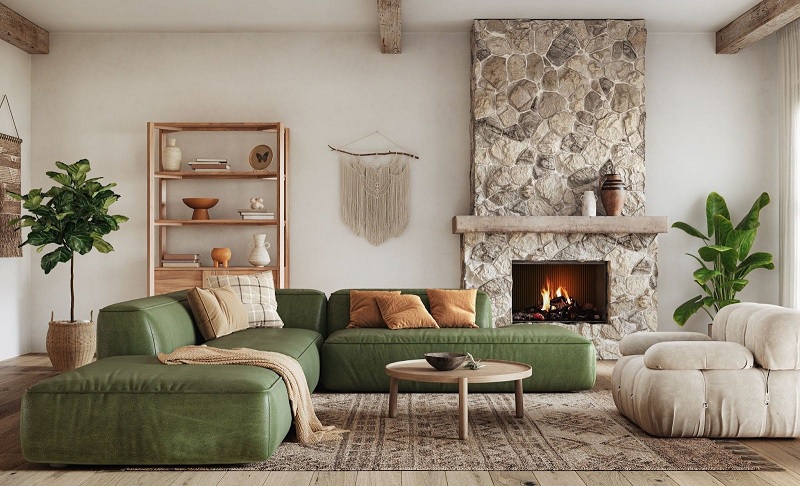
For decades, the interior design industry operated on a cycle of seasonal trends and disposable aesthetics. Consumers were encouraged to frequently overhaul their living spaces, swapping out last year’s colors for whatever was newly manufactured and heavily marketed. Today, a profound shift is occurring. Homeowners are increasingly recognizing the environmental toll of “fast furniture” and are choosing to cultivate spaces that reflect a deeper commitment to the planet.
Sustainable style is no longer relegated to a niche, rustic aesthetic. It has evolved into a highly sophisticated design philosophy that marries environmental responsibility with premium craftsmanship. Creating an eco-friendly home does not mean sacrificing elegance or comfort; rather, it involves making intentional choices about where materials come from, how they are manufactured, and the longevity they offer. By embracing sustainable decor trends, conscious homeowners are building sanctuaries that are as gentle on the earth as they are beautiful to inhabit.
The Rejection of Fast Furniture
The true foundation of sustainable interior design begins with stepping off the treadmill of mass-produced, low-quality furnishings. Fast furniture, much like fast fashion, relies on cheap materials, rapid manufacturing, and global shipping networks that generate massive carbon footprints. These pieces are often constructed from particleboard and synthetic glues, designed for immediate gratification rather than long-term durability. When they inevitably break or fall out of fashion, they are discarded, contributing millions of tons of waste to local landfills each year.
The conscious homeowner approaches decorating as an exercise in curation rather than mere consumption. This means investing in fewer, higher-quality pieces built from solid wood, durable metals, and resilient fabrics. A well-crafted dining table or a meticulously upholstered armchair may require a larger initial investment, but its lifespan will span decades rather than mere seasons. This shift in mindset from disposable goods to generational heirlooms is the most impactful environmental choice a decorator can make.
The Vintage and Antique Revival
Perhaps the most sustainable piece of furniture you can buy is one that already exists. The resurgence of vintage, antique, and secondhand decor is a driving force in modern sustainable style. Participating in the circular economy keeps perfectly functional, beautiful items out of the waste stream while eliminating the need for raw material extraction and new manufacturing processes.
Superior Craftsmanship and Character
Beyond the environmental benefits, older furniture frequently boasts a level of craftsmanship that is difficult and expensive to replicate today. Features like dovetail joints, solid hardwood frames, and hand-carved details ensure that vintage pieces can withstand decades of heavy use. Integrating a mid-century modern credenza, a Victorian mirror, or an antique Persian rug into a contemporary space instantly adds layered character, historical depth, and a unique narrative that cannot be purchased from a big-box retailer.
The Art of Upcycling
For pieces that show significant wear, the trend of upcycling offers a creative avenue for sustainability. Upcycling involves taking an older, perhaps outdated item and refinishing, repainting, or reupholstering it to fit a modern aesthetic. A scratched dining chair can be sanded down and oiled, or an old wooden door can be repurposed into a striking headboard. This practice breathes new life into forgotten objects and allows homeowners to customize their decor in a completely bespoke manner.
Biophilic Design: Connecting with the Natural World
As our daily lives become increasingly digital and screen-centric, there is a deep psychological yearning to reconnect with nature. Biophilic design is an architectural and interior trend focused on bringing the outdoors inside, fundamentally improving human well-being while utilizing natural, sustainable elements.
This trend extends far beyond simply placing a few potted plants on a windowsill. True biophilic design incorporates natural shapes, organic textures, and materials that mimic the external environment. This includes integrating live-edge wooden tables, unpolished stone countertops, and woven rattan seating. The goal is to blur the hard boundaries between the interior of the home and the surrounding landscape.
Maximizing natural light is another crucial pillar of biophilic design. Heavy, synthetic drapery is being traded for sheer, natural fabrics that allow sunlight to flood a room, reducing the need for artificial daytime lighting and lowering energy consumption. When combined with a color palette rooted in earthy greens, warm terracottas, and soft sand tones, the home becomes a grounded, restorative environment.
Sourcing Ethical and Organic Textiles
Textiles dictate the tactile experience of a home. From the rugs underfoot to the sheets on the bed, the fabrics we choose carry significant environmental weight. Historically, the textile industry has relied heavily on petroleum-based synthetic fibers like polyester and nylon, which shed harmful microplastics into the water supply with every wash.
The conscious homeowner prioritizes natural, biodegradable fibers. Organic cotton is grown without toxic pesticides and requires significantly less water than conventional cotton. Linen, derived from the highly resilient flax plant, is not only inherently sustainable but also incredibly durable and breathable. Hemp and jute are excellent choices for heavy-duty applications like area rugs and upholstery, as they grow rapidly, enrich the soil, and require minimal agricultural intervention.
When selecting textiles, it is also important to consider the dyeing process. Conventional fabric dyes often contain heavy metals and toxic chemicals that pollute waterways near manufacturing facilities. The shift toward natural, plant-based dyes and unbleached fabrics ensures that the textiles in your home are safe for your family and the ecosystems where they were produced.
Prioritizing Indoor Air Quality with Non-Toxic Finishes
Sustainability is not only about protecting the external environment; it is equally about safeguarding the internal environment of your home. Many conventional building materials and furnishings harbor hidden chemical dangers that degrade indoor air quality.
Mass-produced furniture often relies on medium-density fiberboard (MDF) held together by formaldehyde-based resins. Traditional interior paints, chemical sealants, and synthetic carpet glues frequently off-gas volatile organic compounds (VOCs) for months or even years after installation. These invisible emissions can trigger respiratory issues, headaches, and long-term health complications.
The eco-friendly decor movement heavily emphasizes non-toxic, low-VOC, and zero-VOC alternatives. Homeowners are actively seeking out furniture finished with natural linseed oils or beeswax rather than chemical lacquers. When painting walls, opting for mineral-based paints, milk paints, or certified zero-VOC acrylics ensures that the air inside the home remains clean and healthy. Prioritizing these non-toxic materials represents a holistic approach to sustainability that values human health alongside environmental conservation.
Embracing Reclaimed and Salvaged Materials
Using newly harvested timber, even from responsibly managed forests, still requires significant energy for logging, milling, and transportation. Utilizing reclaimed materials bypasses this entire resource-heavy supply chain. Architectural salvage has evolved from a niche hobby for historic preservationists into a mainstream sustainable design strategy.
Reclaimed barn wood, salvaged brick, and repurposed industrial metals bring unmatched texture and warmth to a modern home. A kitchen island crafted from reclaimed factory flooring or a living room featuring exposed salvaged beams creates a striking visual contrast when paired with clean, contemporary lines. Furthermore, materials like recycled glass are being innovatively manufactured into highly durable, stunningly beautiful countertops and decorative tiles, proving that waste products can be elevated into luxury finishes.
Supporting Artisan Craftsmanship and Local Economies
The globalization of home decor means that a single lamp or vase may travel thousands of miles across oceans before reaching a living room, carrying a massive carbon footprint in its wake. The sustainable alternative is to turn inward and support local artisans, independent makers, and regional craftsmen.
Purchasing a hand-thrown ceramic bowl from a local potter or commissioning a dining table from a neighborhood woodworker directly supports the local economy and preserves traditional craft skills that are at risk of being lost to automation. Locally sourced items require a fraction of the transportation energy compared to imported goods. Furthermore, artisan-made objects possess a unique, soulful imperfection—a subtle thumbprint of the maker—that sterile, factory-produced items simply cannot replicate.
Moving Forward with Intention
Transitioning to a sustainable home is rarely an overnight transformation. It is an ongoing, deliberate journey of making better, more informed choices as old items wear out or new needs arise. It requires resisting the urge to impulsively fill an empty corner and instead taking the time to source a piece that has history, ethical origins, or lasting durability. By focusing on quality over quantity, embracing natural materials, and championing the circular economy, conscious homeowners are proving that the most beautiful homes are those built with a deep respect for the world outside their walls.
